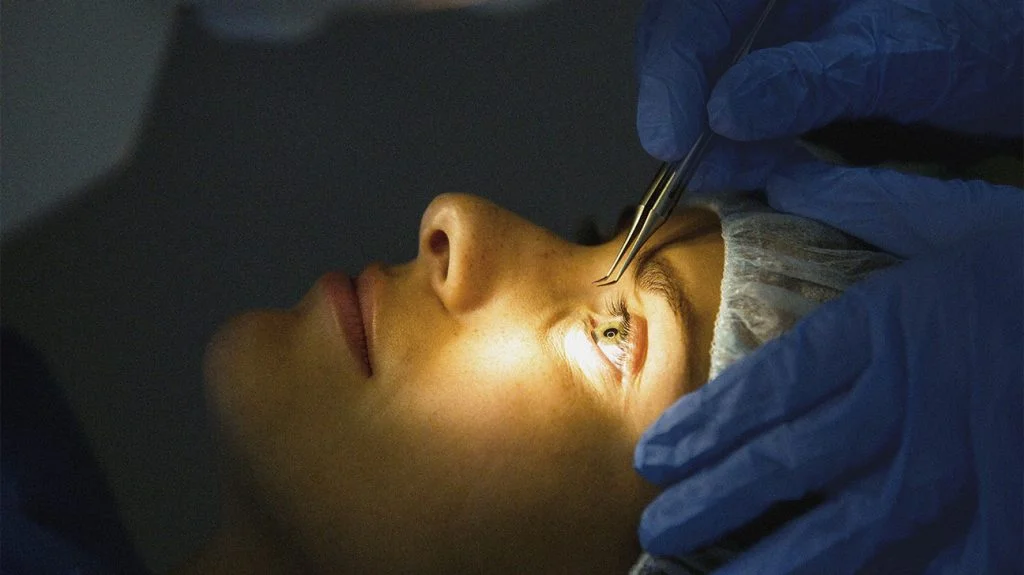
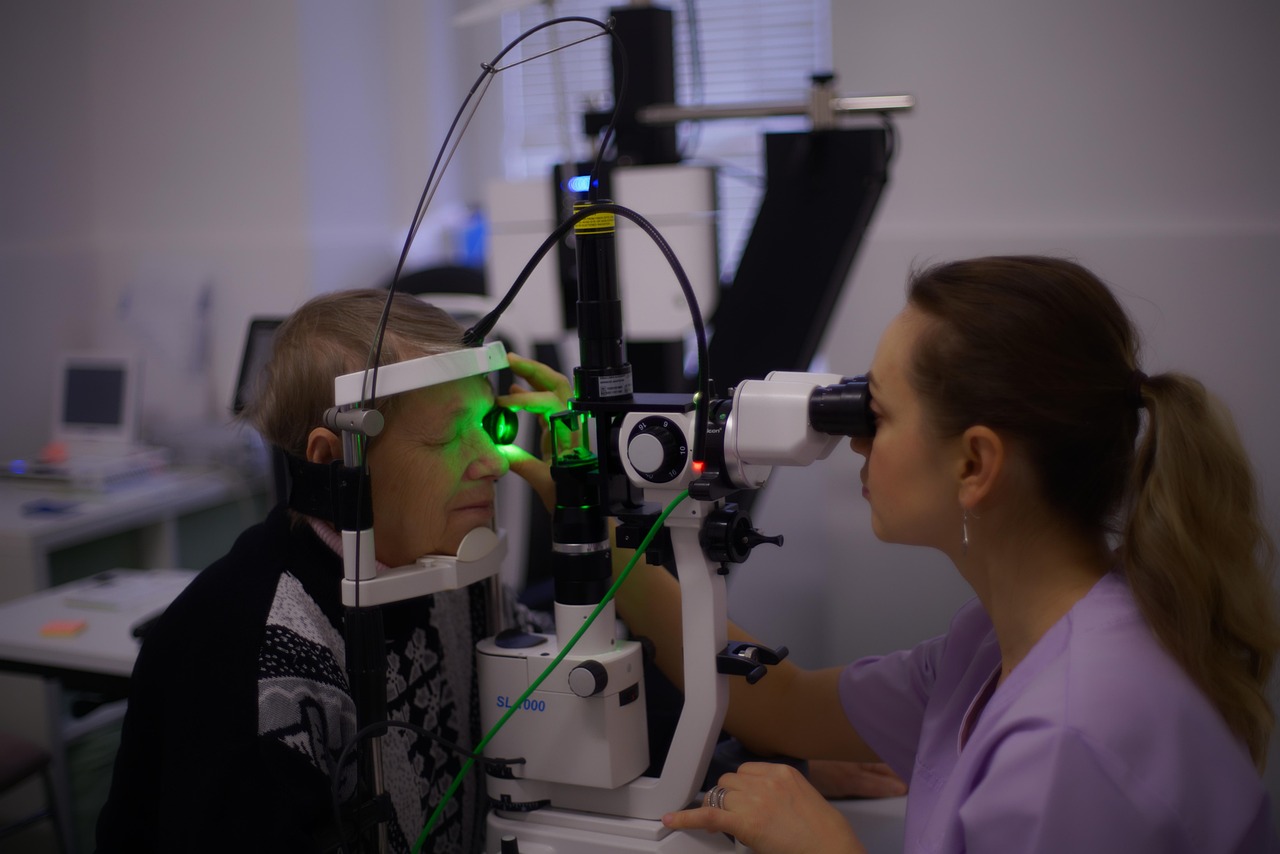
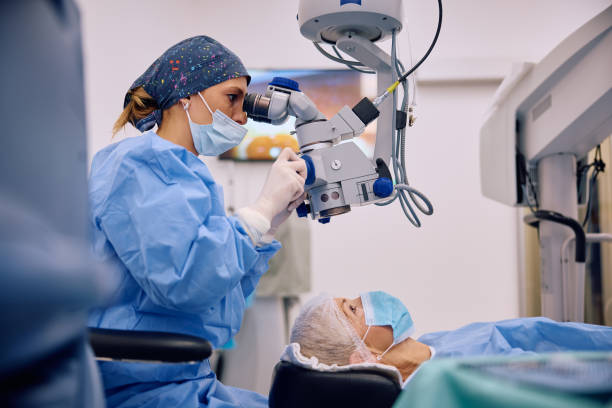
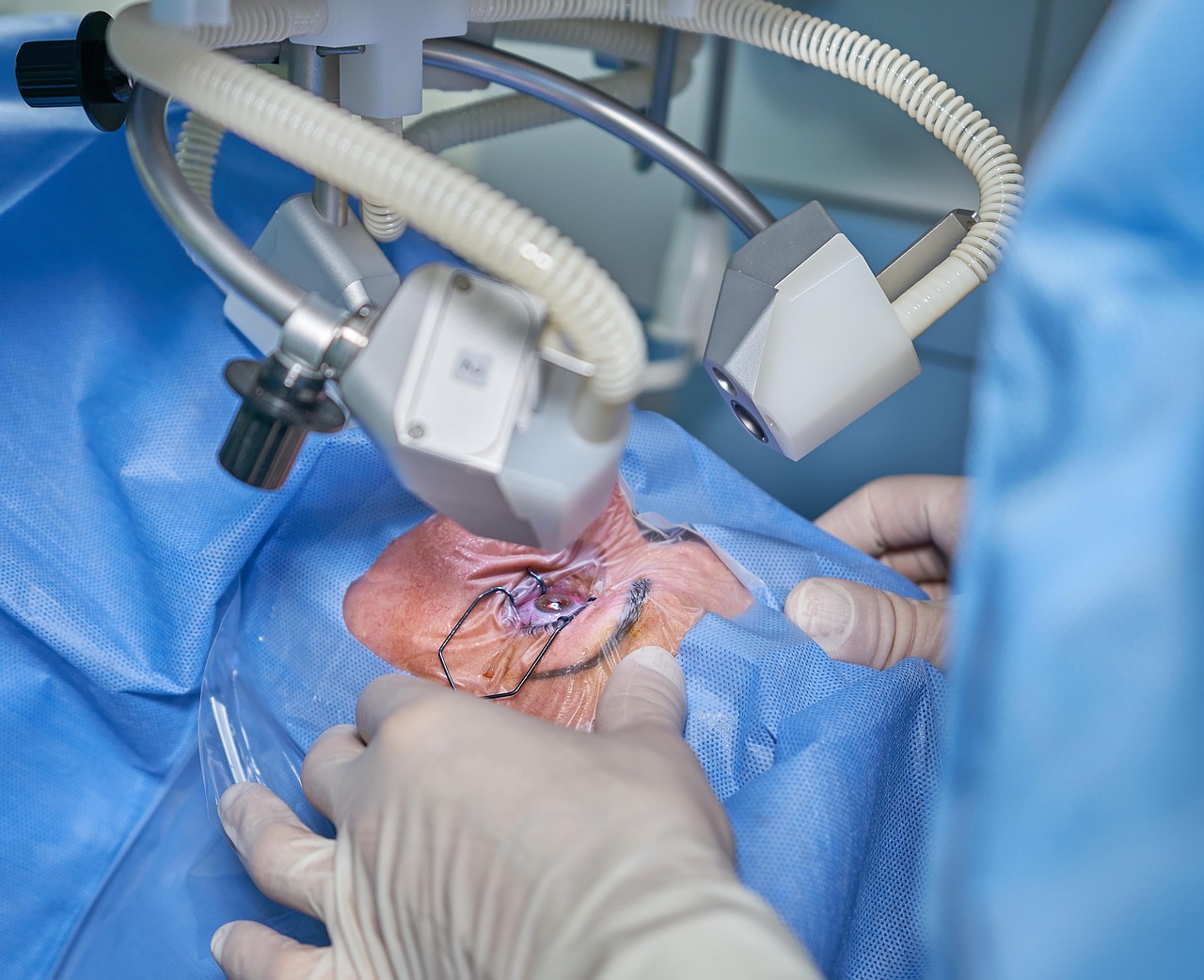
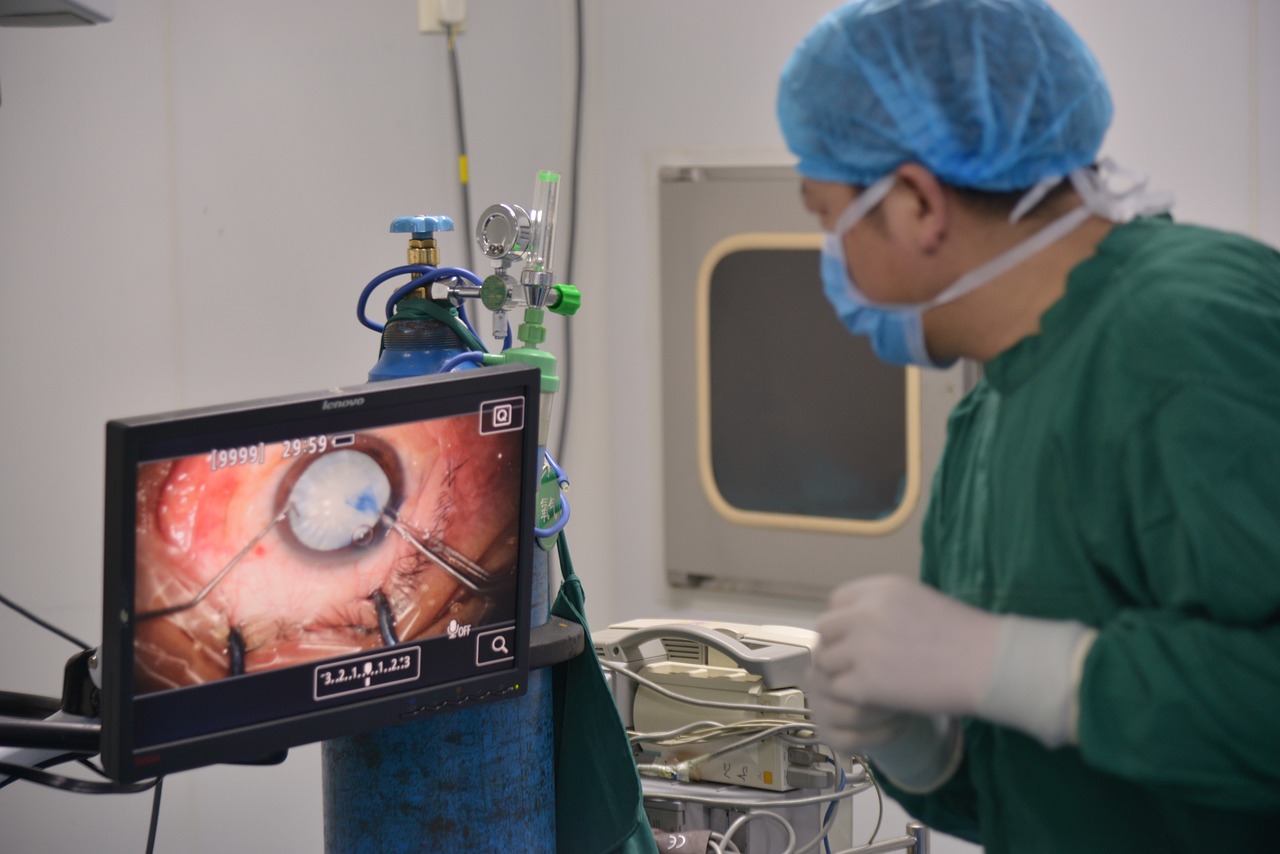
Advanced laser procedures to correct vision problems such as myopia, hypermetropia, and astigmatism.
Introduction
Vision is one of our most valued senses, yet millions of people worldwide struggle with
refractive errors like nearsightedness, farsightedness, and astigmatism. While glasses and
contact lenses offer temporary correction, modern medicine has brought forth a permanent
solution — Refractive Error Surgery.
This blog explores what refractive errors are, the different types of corrective surgeries
available, who can benefit, and what to expect before and after the procedure.
What Are Refractive Errors?
A refractive error occurs when the eye cannot focus light correctly on the retina, leading
to blurry vision. The most common types include:
- Myopia (Nearsightedness) – Difficulty seeing distant objects clearly.
- Hypermetropia (Farsightedness) – Difficulty focusing on close objects.
- Astigmatism – Distorted or blurred vision at all distances.
- Presbyopia – Age-related difficulty in focusing on close objects.
These conditions are typically corrected with lenses — but what if you could correct them
for good?
What Is Refractive Error Surgery?
Refractive surgery involves reshaping the cornea or implanting a lens to correct the eye's
focusing ability. The goal is to reduce or eliminate the need for glasses or contact lenses.
Types of Refractive Error Surgeries
-
LASIK (Laser-Assisted In Situ Keratomileusis):
- The most popular procedure.
- A laser reshapes the corneal tissue beneath a flap to improve focus.
-
PRK (Photorefractive Keratectomy):
- Ideal for patients with thin corneas.
- The outer corneal layer is removed, and a laser reshapes the surface.
-
SMILE (Small Incision Lenticule Extraction):
- A minimally invasive, flapless technique.
- A laser removes a small piece of corneal tissue to reshape the eye.
-
Implantable Collamer Lens (ICL):
- A synthetic lens is implanted inside the eye.
- Great for patients with very high prescriptions or dry eyes.
-
Refractive Lens Exchange (RLE):
- The eye's natural lens is replaced with an artificial one.
- Often used for presbyopia or extreme farsightedness.
Who Is a Candidate?
- You're over 18 years old.
- Your vision has been stable for at least 6 months.
- You have a healthy cornea and no major eye diseases.
- You understand the risks and benefits.
A thorough pre-surgical evaluation by an ophthalmologist is essential to determine the best
procedure for your eyes.
Benefits of Refractive Surgery
- Reduced or complete freedom from glasses/contact lenses.
- Quick recovery and minimal discomfort.
- Long-term cost-effectiveness compared to lifetime use of corrective lenses.
Risks and Considerations
- Dry eyes
- Glare or halos at night
- Undercorrection or overcorrection
- Rare complications requiring enhancement or retreatment
Choosing a skilled surgeon and undergoing comprehensive pre-op assessments significantly
reduce risks.
Life After Surgery
Most patients notice improved vision within a few days. Full stabilization may take several
weeks. Follow-up visits are crucial to monitor healing and ensure optimal results.
Conclusion
Refractive error surgery has transformed the lives of millions by offering the possibility
of clear, unaided vision. Whether you're tired of glasses or want more visual freedom, this
procedure might be the right step toward a brighter, clearer future.